

Report
The Blog Financial reform for EU citizen
Financial regulation – which protects people from very real dangers – is being dismantled by a massive deregulation wave. Europeans will pay multiple times for this: as consumers, workers, investors and as taxpayers.
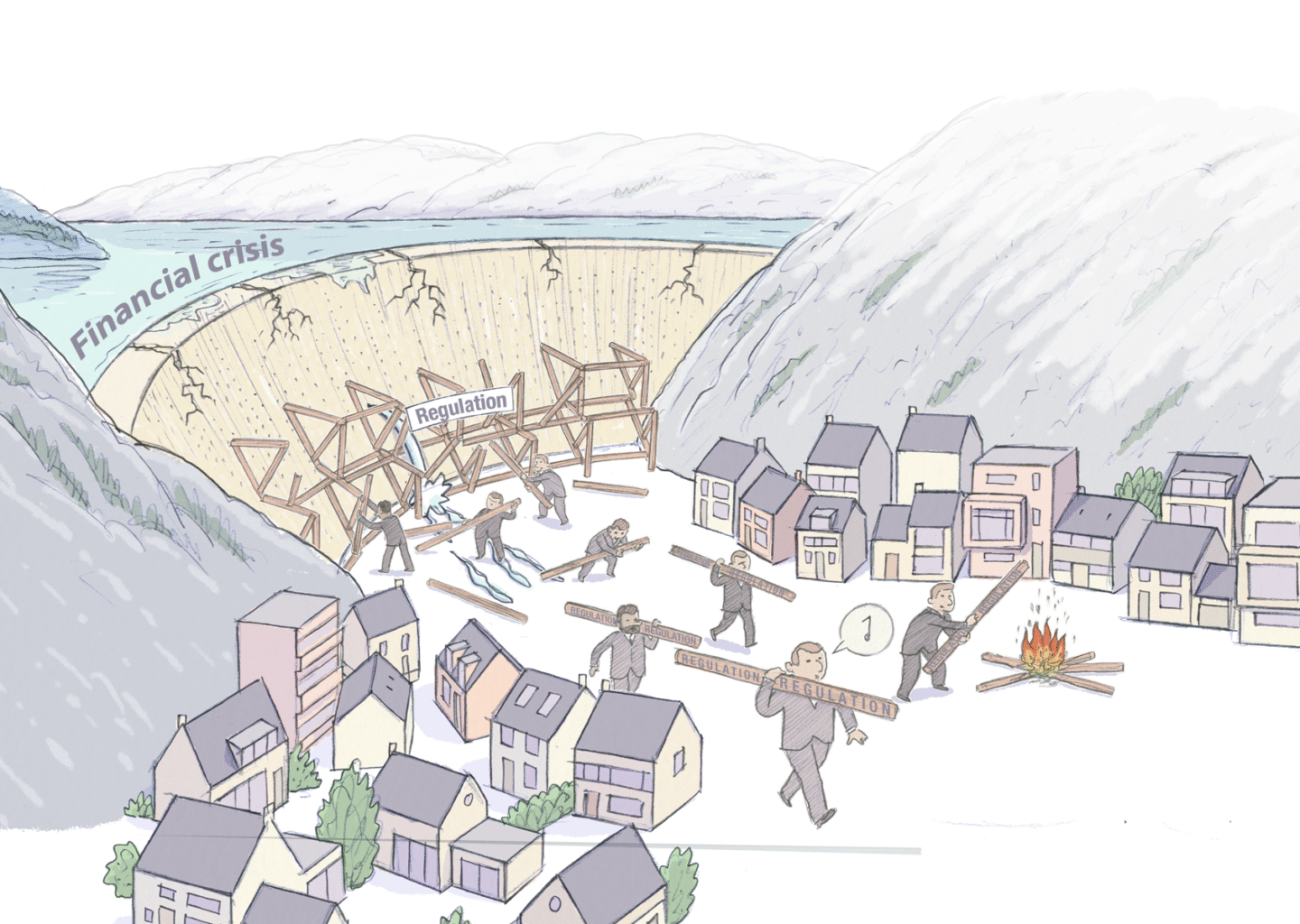
The financial industry is at the center of the economy: it provides financial services and allocates capital to all other economic actors, for instance:
Like a lot of markets, the market for financial services is regulated: participants are free to pursue profit, but not in any way they like. Because of its social and economic importance, the financial sector is supervised. Lawmakers dictate what is allowed or not on financial markets and how it is done: regulation “shapes finance”.
Market regulations are also meant to protect consumers and the wider economy from economic disfunctions.
Like all markets, the market for financial services is subject to what economists call “market failures”, like:
When they happen in a market with a crucial economic role – like that of financial services -, market failures can have tremendousExternalities of the financial industry include the economic damage of financial crises but also the social and environmental impacts of economic activities financed such as value extraction, social standards dumping or pollution. Information assymetry can bring people from vulnerability to overindebtedness and tragedies. Market concentration can fuel misselling practices, regulatory capture and slow down innovation. economic, political, social and environmental consequences, and regulation is society’s only protection.
All this explains why financial regulation has such economical and social implications. The role of the financial industry has major public interest dimensions, and the way regulation shapes it has important political and economical consequences.
For this reason, Finance Watch believes that the role of finance and its regulation should be debated democratically, and calls for more accountability and a better representativity of civil society in the lawmaking processes.
Finance Watch believes that profitability constitutes both a legitimate objective and a necessary condition for the sustainability of financial institutions. Still, the pursuit of profitability should not be conducted to the detriment of public interest.
Given the importance of finance in the economy, financial regulation should enable the financial industry to unleash transparent and sustainable investments into the real economy while protecting the public interest. All of Finance Watch policy proposals to create or improve financial regulations are carefully designed to reach this equilibrium.
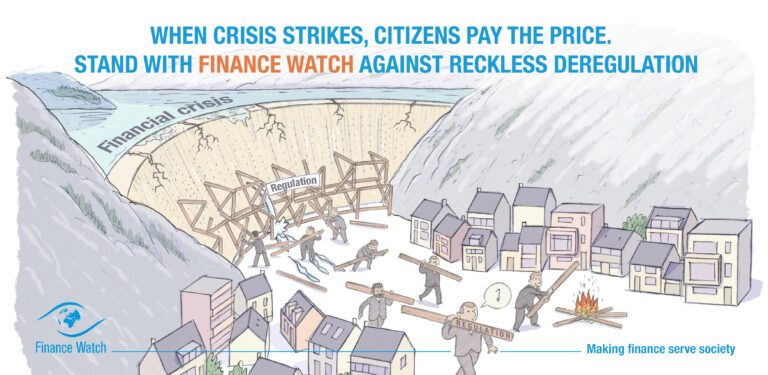
After the 2008 financial crisis and its catastrophic consequences on European economies and public finances, there was a short momentum for ambitious financial regulation. But today, 16 years after the crisis, memories have faded.
Amidst geopolitical and trade fears, corporate lobbies are successfully framing financial regulation as a problem for the competitiveness of the financial industry. Nothing is further from the truth: financial regulation is a competitive advantage and a cornerstone of European strategic autonomy.
But EU decision-makers are taking the bait. The European Commission is undertaking an unprecedented deregulation wave and decades of progress are at stake.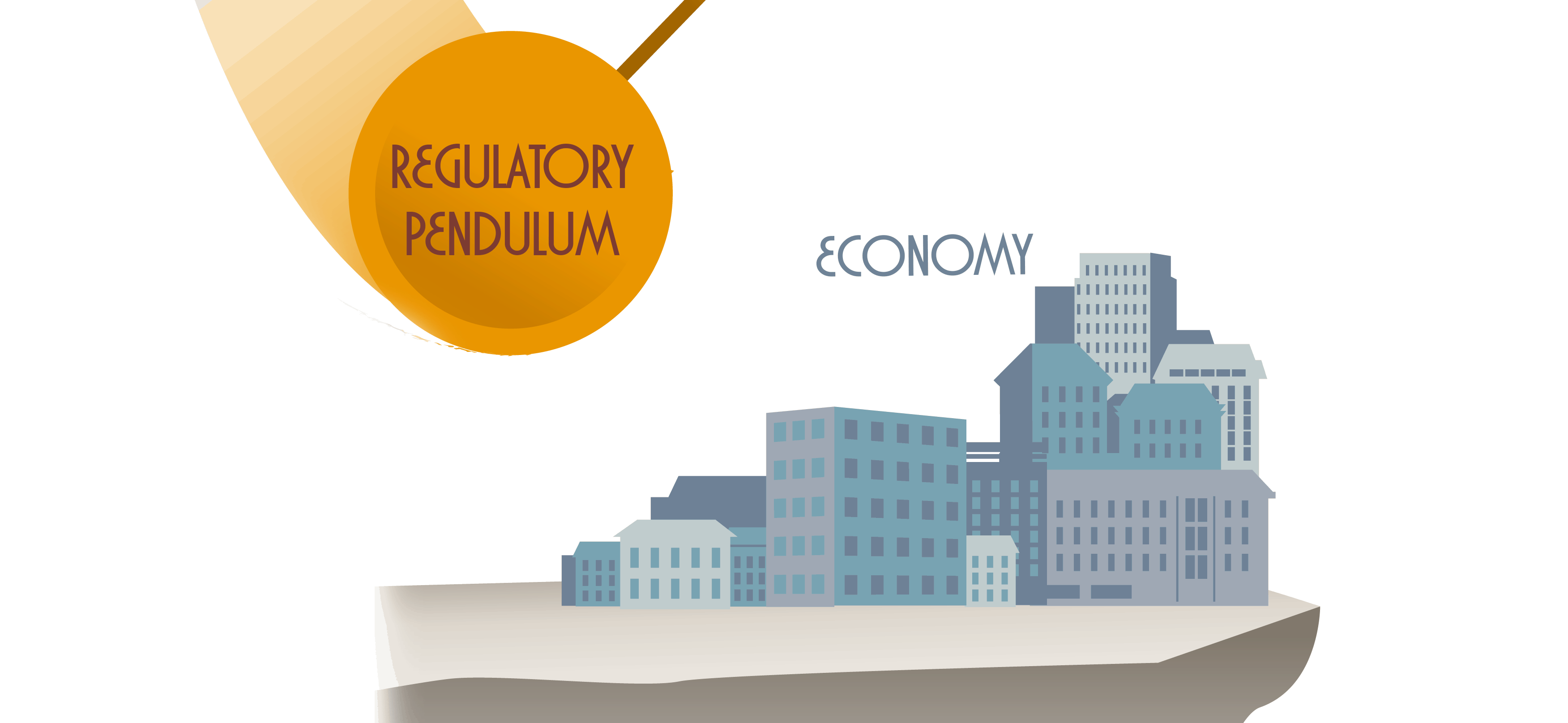
The current deregulation agenda is threatening consumer protection, social safeguards and environmental protections. On top of triggering economic instability, endangering jobs and decreasing people’s wellbeing, indiscriminate deregulation will directly or indirectly increase people’s costs of living:
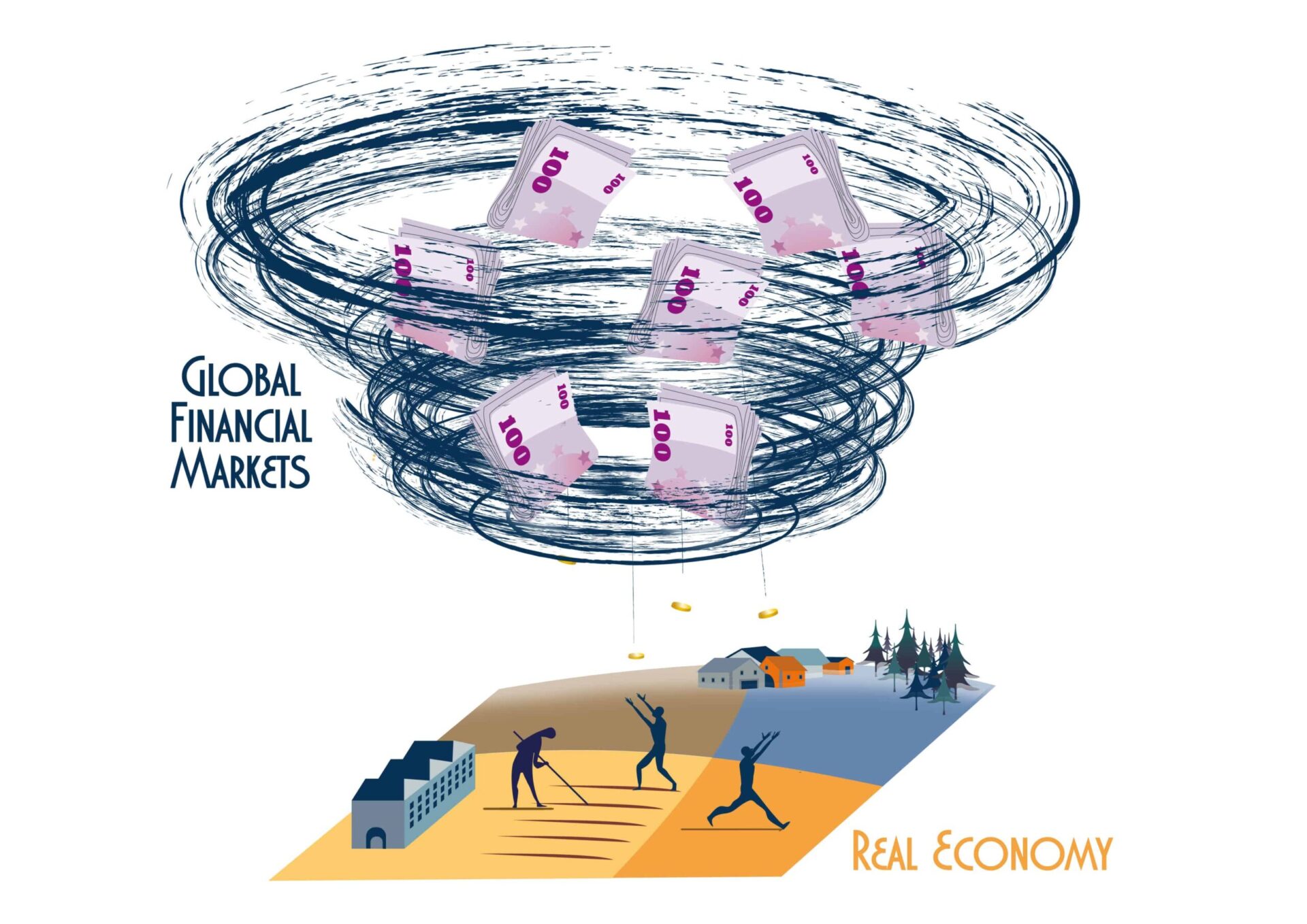 There are many more examples to list, as more than 100 financial rules are set to be scrapped, and even more deregulation is expected.
The recent political agreement in the European Parliament to remove the companies’ obligation to explain how they would transition to net-zero by 2050 – so Europe can deliver on its Paris Agreement commitments – is a dire warning sign.
Today more than ever, citizens need policymakers to understand the public interest dimensions of financial regulation, and stop cutting blindly into hard-won safeguards, which will backfire on citizens.
Finance Watch will continue to represent people’s voice relentlessly at EU level to this end. Times are hard: civil society will need all the support it can get from all sides. Finance Watch will keep ambition high so Europe resists corporate short-termism and becomes the sustainable and prosperous continent it should be.
Pablo Grandjean, Finance Watch
Share

Stability & Supervision
Level:Regular
12.09.2023

Retail & Inclusion
Level:Beginner
17.03.2025

Sustainable Finance
Level:Regular
25.03.2025
You can help tip the balance! Strengthen our impact by joining our collective efforts.